
La grammatica segreta dei tessuti
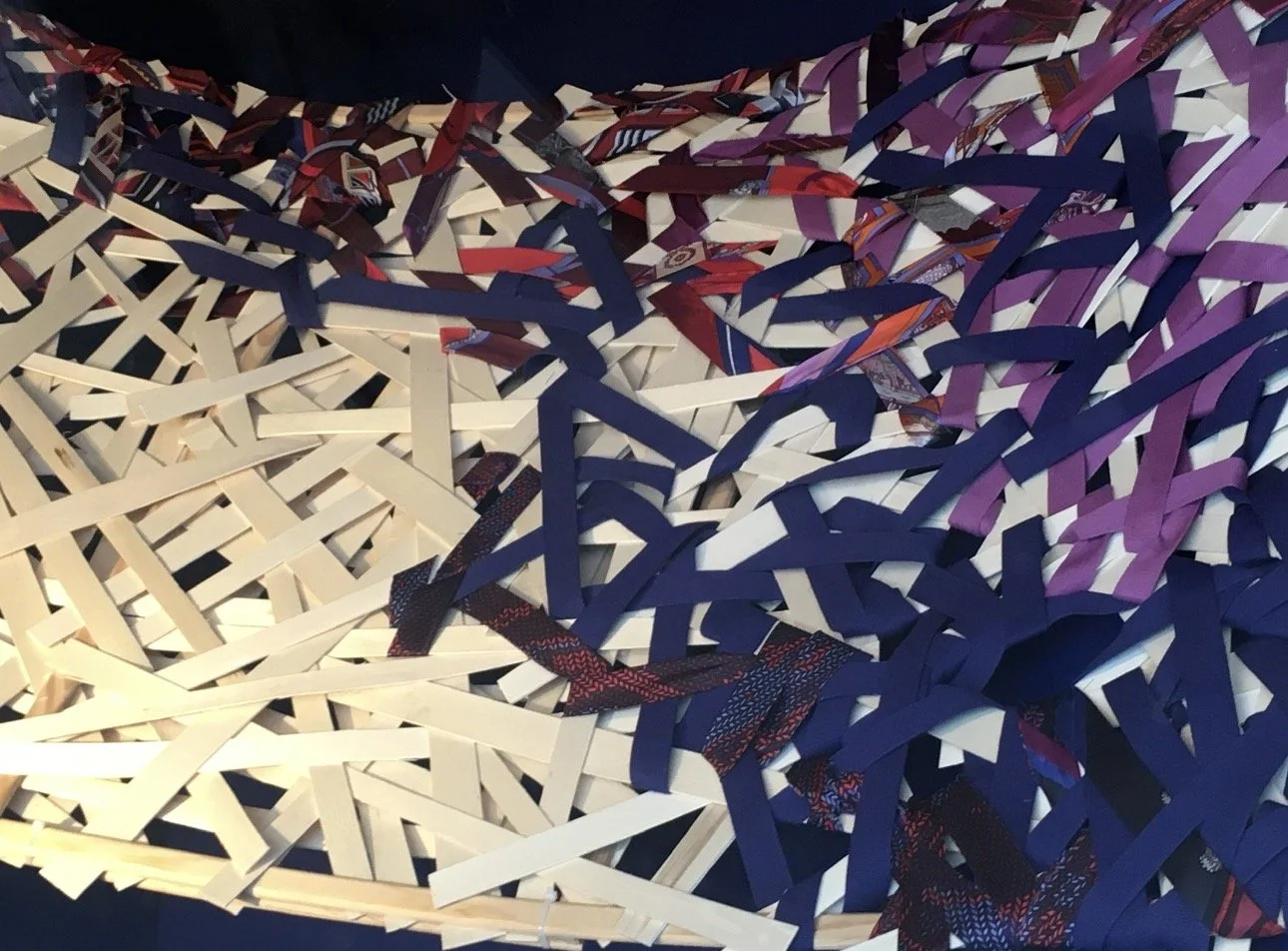
Reinterpreto, riassumo e trasformo dal 📕 ‘la grammatica dei tessuti’ cenni sulle fibre naturali e non, che compongono e determinano un tessuto, da leggere con un tè caldo accanto ☕🧵
La grammatica segreta dei tessuti
Appunti semiseri per chi pensa che “cotone” sia solo una parola sull’etichetta.
Le fibre sono creature sottili, flessibili, elastiche e quando si intrecciano diventano architetture morbide, nella loro ‘timidezza’. Prima si incontrano in filatura, poi si tengono per mano, e voilà: nasce il tessuto.
Ogni filato ha la sua carta d’identità: lunghezza, diametro, lucentezza. Non è vanità, è morfologia. E da qui partono le quattro grandi famiglie: vegetali, animali, artificiali e sintetiche. Una specie di saga tessile.
🌿 Le fibre vegetali: quando le piante si fanno guardaroba
Sono figlie della cellulosa e crescono con pazienza botanica.
Dal seme arriva il cotone e il Kapok, che sembra cotone ma ha fatto yoga in Amazzonia ed è più leggero.
Dallo stelo nascono lino, canapa, juta, ramiè: fibre che hanno il carattere delle cose semplici e resistenti.
Dalle foglie arrivano la rafia e il sisal, ricavato dall’Agave sisalana dell’America Centrale, ruvido quanto basta per diventare tappeto o corda senza troppi sentimentalismi.
Le fibre vegetali sono le minimaliste del mondo tessile: concrete, fresche, dirette.
🧪 Artificiali vs sintetiche: cugine, non gemelle
Qui spesso si fa confusione, come scambiare due sorelle solo perché hanno lo stesso cappotto.
Le fibre artificiali nascono da materiali naturali rielaborati: cellulosa, alghe, proteine. Sono natura che ha frequentato un laboratorio. Dal latte all’ananas, dal cactus agli agrumi, fino a faggio ed eucalipto: una dispensa trasformata in tessuto.
Le fibre sintetiche, invece, sono figlie della chimica del petrolio. Nascono in provetta, crescono in stabilimento, e si distinguono in base al processo produttivo. Sono l’ala industriale della moda.
🐑 Le fibre animali: aristocrazia pelosa
Qui il tono cambia. Entriamo nel regno delle lane “speciali”, quelle che hanno il passaporto timbrato da altipiani e deserti.
CASHMERE
Si ricava dalle capre del Kashmir, Tibet e Mongolia. Sottogola soffice come un segreto ben custodito.
LANA DI CAMMELLO
Dal dromedario africano o dal cammello asiatico. Si raccoglie quando cade naturalmente, con la delicatezza di chi sa aspettare.
LANA DI ALPACA
Tosata dai camelidi delle Ande. Morbida, pregiata, con cheratina che strizza l’occhio persino alla cosmetica.
ANGORA
Dalla capra o dal coniglio d’Angora: lunga, setosa, luminosa. Raramente viaggia sola, preferisce le collaborazioni.
VIGOGNA (VICUÑA)
La più esclusiva. Vive a 4000 metri tra Argentina, Bolivia, Cile, Ecuador e Perù. Produce appena 250 grammi di fibra ogni due anni. Il suo vello, detto “vello degli dei”, resta nel suo colore naturale, tra bianco e marrone dorato. Lusso che cammina sugli altipiani.
LANA MERINO
Dalla pecora merino, nata in Spagna e poi cittadina del mondo: Australia, Nuova Zelanda, Sud America. Fibra sottilissima, elegante, perfetta per tessuti leggeri ma caldi.
SHAHTOOSH
Ricavata un tempo dal chiru tibetano. Oggi illegale e bandita, simbolo di quanto il lusso non possa mai giustificare l’estinzione.
🧶 Dietro le quinte: cardatura e pettinatura
La lana non diventa filo per magia.
Cardare significa districare, pulire, dare ordine al caos.
Pettinare significa allineare le fibre come una parata silenziosa, eliminando le più corte.
Il risultato? Un filato omogeneo, compatto, pronto a diventare tessuto con un certo portamento.
🌍 Nuove fibre sostenibili: il futuro ha consistenza
La moda, quando vuole, sa anche fare pace con il pianeta.
LANITAL
Inventato durante la Seconda Guerra Mondiale dal chimico italiano Antonio Ferretti e prodotto dalla SNIA Viscosa. Nasce dalla caseina del latte. Morbido come la lana, ma non teme le tarme. È stato riscoperto per proprietà anallergiche e antibatteriche. Una seconda vita per uno scarto.
🌽 Fibra di mais
Deriva dall’acido polilattico ottenuto dalla fermentazione dell’amido di mais. Si degrada naturalmente in acqua e anidride carbonica. Non infeltrisce, non trattiene odori, ama il sole e non si offende con le macchie. Una fibra con spirito agricolo e cuore tecnologico.
SEACELL
Unione tra cellulosa e alga bruna del Nord Europa, l’Ascophyllum nodosum, detta kelp, che cresce tra i fiordi islandesi. A contatto con l’umidità della pelle rilascia minerali e benefici. È stata definita “medicina indossabile”. Un maglione che sembra aver studiato biologia marina.
CRABYON
Creata a Osaka dall’azienda Omiken-shi. Nasce dai gusci di crostacei riciclati, miscelati con cellulosa di faggio ed eucalipto. Contiene chitina, ha proprietà antibatteriche, è biodegradabile e fresca. Si comporta come il cotone, ma con un’anima da laboratorio etico. Si decompone come una foglia, senza drammi.
In fondo, cosa stiamo davvero indossando?
Ogni fibra racconta una storia: un altopiano ventoso, una pianta tropicale, un laboratorio chimico, una stalla, un fiordo islandese.
Quando scegliamo un tessuto, scegliamo anche il percorso che ha fatto per arrivare fino a noi. Alcuni parlano di tradizione, altri di innovazione, altri ancora di responsabilità.
E forse la vera grammatica dei tessuti non è fatta solo di termini tecnici, ma di scelte consapevoli.
La prossima volta che toccherai una coperta, un cuscino o un capo in lana, chiediti: da dove vieni?
Potresti scoprire che sotto quella superficie morbida c’è un piccolo atlante del mondo 🌎🧵
The Secret Grammar of Fabrics
I reinterpret, summarize and transform from 📕 'the grammar of fabrics' notes on natural and non-natural fibers, which compose and determine a fabric, to be read with a hot tea nearby ☕🧵
Semi-serious notes for anyone who thinks “cotton” is just a word on a label.
Fibers are slender, flexible, elastic beings. They seem shy, but once they intertwine they become soft architecture. First they meet in spinning, then they hold hands, and voilà: fabric is born.
Every yarn has its own ID card: length, diameter, luster. Not vanity, morphology. From here begin the four great families: plant, animal, artificial, and synthetic. A full-blown textile saga.
🌿 Plant Fibers: When Plants Become Wardrobe
They are daughters of cellulose and grow with botanical patience.
From the seed come cotton and kapok, which looks like cotton but did yoga in the Amazon and came back lighter.
From the stem we get linen, hemp, jute, ramie: fibers with the temperament of simple, resilient things.
From leaf veins arrive raffia and sisal, derived from agave, textured enough to become carpets and rope without unnecessary sentimentality.
Plant fibers are the minimalists of the textile world: grounded, fresh, straightforward.
🧪 Artificial vs. Synthetic: Cousins, Not Twins
This is where confusion often sneaks in, like mistaking two sisters because they wear the same coat.
Artificial fibers are made from natural materials that have been reworked: cellulose, algae, proteins. Nature that spent some time in a laboratory. From milk to pineapple, cactus to citrus, beechwood to eucalyptus. A pantry transformed into fabric.
Synthetic fibers, on the other hand, are born from petroleum chemistry. They begin in a test tube, grow up in a factory, and are grouped according to their production process. The industrial wing of fashion.
🐑 Animal Fibers: The Aristocracy of Fleece
Now the tone shifts. We enter the realm of “special” wools, the ones whose passports are stamped by high plateaus and deserts.
Cashmere
Combed from the undercoat of goats in Kashmir, Tibet, and Mongolia. Under-chin softness, like a well-kept secret.
Camel Wool
From African dromedaries or Asian camels. Collected when it naturally sheds, with the patience of someone who knows how to wait.
Alpaca Wool
Shorn from Andean camelids in spring. Soft, precious, and rich in keratin, which even finds its way into cosmetics.
Angora
From Angora goats or rabbits. Long, silky, luminous. Rarely travels alone, it prefers collaboration.
Vicuña
The most exclusive of all. Living at 4,000 meters across Argentina, Bolivia, Chile, Ecuador, and Peru, it produces only about 250 grams of fiber every two years. Its fleece, known as “the fiber of the gods,” remains in its natural tones, from ivory to golden brown. Luxury that walks on hooves.
Merino Wool
From the merino sheep, born in Spain and now a citizen of the world: Australia, New Zealand, South America. Ultra-fine fiber, elegant, ideal for lightweight yet warm fabrics.
Shahtoosh
Once derived from the Tibetan antelope. Now illegal and banned worldwide, a reminder that luxury must never come at the cost of extinction.
🧶 Behind the Scenes: Carding and Combing
Wool does not magically turn into yarn.
Carding means untangling, cleaning, bringing order to chaos.
Combing aligns the fibers like a silent parade, removing the shorter strands.
The result is a homogeneous, compact yarn, ready to become fabric with quiet confidence.
🌍 New Sustainable Fibers: The Future Has Texture
Fashion, when it chooses to, can make peace with the planet.
Lanital
Invented during World War II by Italian chemist Antonio Ferretti and produced by SNIA Viscosa. Made from casein, the main protein in milk. As soft and warm as wool, yet unappealing to moths. Rediscovered for its hypoallergenic and antibacterial qualities. A second life for what was once waste.
🌽 Corn Fiber
Derived from polylactic acid obtained by fermenting corn starch. It naturally degrades into water and carbon dioxide. It resists felting, does not trap odors, enjoys sunlight, and handles stains with grace. A fiber with an agricultural soul and a technological heart.
Seacell
A union of cellulose and brown seaweed from Northern Europe, specifically Ascophyllum nodosum, known as kelp, which grows among Icelandic fjords. In contact with skin moisture, it releases minerals and beneficial elements. Often described as “wearable wellness.” A sweater that seems to have studied marine biology.
Crabyon
Created in Osaka by the company Omiken-shi. Born from recycled crustacean shells blended with cellulose from beech and eucalyptus. Rich in chitin, antibacterial, biodegradable, and fresh. It behaves like cotton but carries an ethical laboratory spirit. It decomposes like a leaf, without drama.
So What Are We Really Wearing?
Every fiber tells a story: a windswept plateau, a tropical plant, a chemical laboratory, a stable, an Icelandic fjord.
When we choose a fabric, we also choose the journey it took to reach us. Some speak of tradition, others of innovation, others still of responsibility.
Perhaps the true grammar of fabrics is not made only of technical terms, but of conscious choices.
The next time you touch a blanket, a cushion, or a wool garment, ask it: where do you come from?
You might discover that beneath that soft surface lies a small atlas of the world 🌍🧵
